Creating a Robust Technology Evaluation Framework
How to assess and compare technology solutions effectively.
In the rapidly evolving landscape of technology, organizations are often confronted with a plethora of options when it comes to selecting the right solutions for their needs. The challenge lies not just in identifying these technologies but also in assessing their suitability and potential impact. A robust technology evaluation framework can provide a structured approach to systematically compare and analyze various technology solutions, leading to more informed decision-making. This article delves into the essential components of such a framework and outlines best practices for its implementation.
A structured framework can streamline decision-making processes.
Understanding the Importance of a Technology Evaluation Framework
A technology evaluation framework is indispensable for organizations that wish to make strategic technology investments. It serves as a guide to assess the functionality, cost-effectiveness, and alignment of technologies with an organization’s goals. By employing a systematic approach, decision-makers can minimize risks associated with technology adoption and ensure that investments yield the maximum return.
“A well-defined evaluation framework can transform the way organizations approach technology decisions.”

Organizations that fail to implement a structured evaluation process often find themselves overwhelmed by choices, leading to hasty decisions that may not align with long-term objectives. Furthermore, a robust framework can facilitate cross-departmental collaboration, allowing various stakeholders to contribute to the evaluation process, which fosters a sense of ownership and accountability.
Key Components of a Technology Evaluation Framework
When developing a technology evaluation framework, several key components should be considered. These elements provide the foundation upon which organizations can build their assessment processes.
First, it is essential to establish evaluation criteria that reflect the organization’s strategic goals and operational requirements. These criteria might include factors such as functionality, scalability, user experience, vendor reputation, and total cost of ownership. By clearly defining what is important, organizations can streamline their evaluation and focus on the solutions that best meet their needs.
In addition to criteria, it is crucial to define a scoring system that quantifies the evaluation of each technology option. This scoring system should assign weights to different criteria based on their importance, enabling decision-makers to compare solutions based on a common scale. A transparent and consistent scoring mechanism can enhance objectivity and reduce biases during the evaluation process.
The Evaluation Process: Steps to Follow

Implementing the evaluation framework involves several steps that guide organizations through the decision-making process. The first step is to identify potential technology solutions that meet the predefined criteria. This can involve market research, vendor demonstrations, and consultations with industry experts.
Once potential solutions have been identified, the next step is to conduct a preliminary analysis. This involves gathering data on each solution, including technical specifications, case studies, and customer reviews. At this stage, organizations can also leverage proof-of-concept trials to assess how well a solution meets their specific requirements in a real-world context.
After gathering all necessary information, organizations should engage in a comparative analysis. Utilizing the established criteria and scoring system, stakeholders can objectively evaluate each option. This analysis should not only focus on the quantitative aspects but also take into account qualitative insights, such as user satisfaction and support services.
Engaging Stakeholders in the Evaluation Process
A significant advantage of a structured technology evaluation framework is its capacity to facilitate stakeholder engagement. By involving various departments—such as IT, finance, and operations—in the evaluation process, organizations can ensure that all perspectives are considered. This collaborative approach enhances the quality of the decision-making process and increases the likelihood of successful implementation.
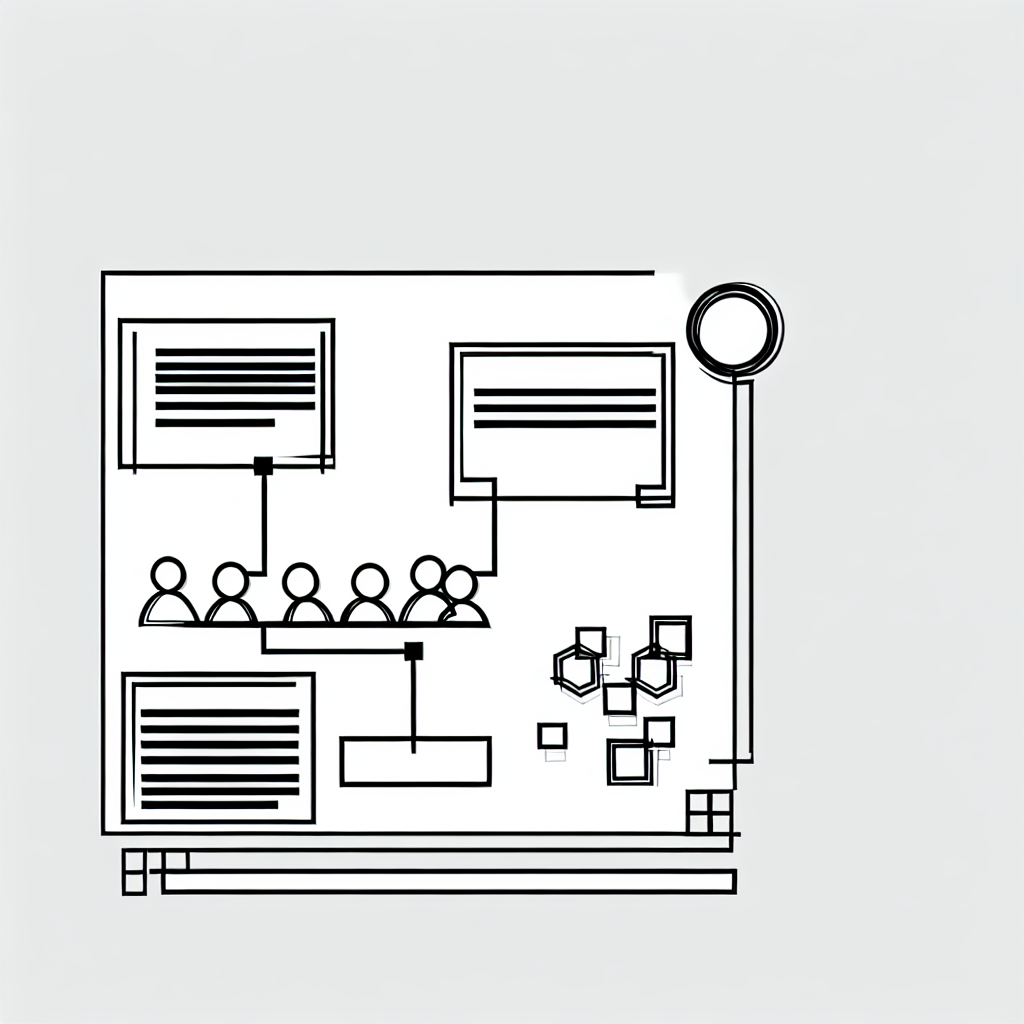
Furthermore, involving stakeholders early on can help in identifying potential challenges and resistance to change. Addressing these concerns proactively can foster a smoother transition when new technologies are adopted.
Continuous Improvement and Post-Evaluation Review
The implementation of a technology evaluation framework should be viewed as an ongoing process rather than a one-time activity. Organizations should conduct post-evaluation reviews to assess the effectiveness of their chosen solutions. This involves monitoring performance against predefined metrics and gathering feedback from users, which can inform future evaluations and adjustments to the framework.
Moreover, as technology landscapes change, it is vital for organizations to revisit and update their evaluation criteria and processes. Continuous improvement ensures that the framework remains relevant and effective in guiding technology decisions over time.