Navigating the Risks of Legacy Software Migration
Framework for managing legacy software transitions.
In today’s fast-paced technological environment, the migration of legacy software to modern systems is not just a consideration but often a necessity for organizations aiming to stay competitive. Legacy software, while it may have served its purpose well over the years, can become a significant liability due to issues such as security vulnerabilities, lack of support, and incompatibility with newer technology. The goal of this article is to provide a comprehensive framework for understanding and managing the risks associated with this critical transition.
Recognizing the potential pitfalls of legacy software migration is essential. Organizations must approach this complex process with a clear strategy to mitigate risks and ensure a successful transition.
Understanding Legacy Software Risks
Legacy software systems pose unique challenges that can jeopardize organizational efficiency and security. These systems are often built on outdated technologies, making them less reliable and harder to maintain. Furthermore, they may not be compliant with current regulations, exposing businesses to legal risks.
“The longer organizations rely on legacy systems, the more difficult and costly the eventual transition becomes.”
In addition to compliance issues, the lack of vendor support for legacy systems can be a significant risk factor. As software becomes obsolete, vendors may cease to provide updates or patches, making it vulnerable to cyber threats. Transitioning to a new system can address these security concerns and ensure that the latest technology is employed to protect sensitive data.

Effective risk management during legacy migration also involves understanding the impact on daily operations. Disruption is often a concern, as employees may experience a learning curve with new systems. Establishing a clear migration plan that includes training and support can alleviate these concerns and lead to a smoother transition.
Building a Migration Framework
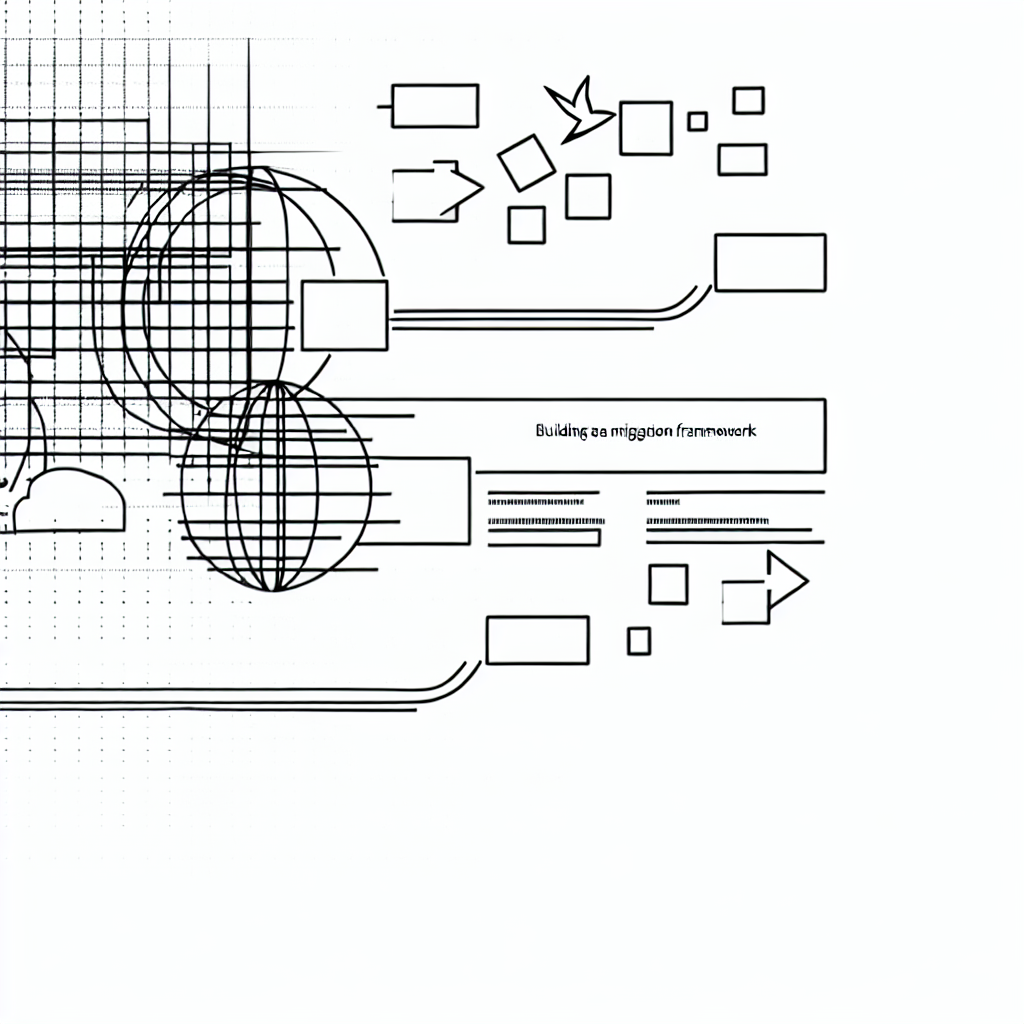
A well-structured migration framework should encompass several key components aimed at reducing risks and enhancing the migration process. First, conducting a comprehensive assessment of the existing legacy systems is critical. This assessment should identify not only the current functionality but also the dependencies and integrations with other systems. Understanding these aspects will help prioritize which systems to migrate first and what challenges may arise during the process.
Once the assessment is complete, organizations should develop a clear and detailed migration strategy. This strategy should outline the objectives, the timeline for migration, and the resources required. It’s also essential to define the scope of the migration, determining whether the transition will be a “big bang” approach or a phased migration, where parts of the system are transitioned incrementally.
Moreover, involving stakeholders from various departments can facilitate better planning and execution. Their insights can provide valuable context about how legacy systems are used in practice and help identify potential issues that may not be apparent at first glance.
Testing and Validation
Testing is a crucial aspect of the migration process that cannot be overlooked. Before fully implementing a new system, it is advisable to conduct extensive testing to validate that the new software meets the required specifications and can handle real-world scenarios. This involves not only functional testing but also performance and security testing.
“Testing helps to identify and rectify issues before they escalate into significant problems.”
Engaging users in the testing phase can also yield beneficial feedback. User acceptance testing (UAT) allows actual users to interact with the new system and provide insights into its usability and functionality. This collaborative approach can uncover potential hurdles and ensure that the new system meets the needs of all stakeholders involved.
Once the new system has been validated, it’s important to develop comprehensive documentation and training materials. This resource will help users adapt to the new environment more quickly and effectively.
Post-Migration Support
After the migration is completed, the work does not stop there. Organizations must establish a post-migration support framework to address any issues that arise after the transition. Continuous monitoring of the new system can help identify performance issues or bugs that may not have been evident during testing.
Additionally, providing ongoing training and support to users is critical for ensuring long-term success. As users become more familiar with the new software, they will be better positioned to leverage its capabilities effectively.
In the wake of migration, gathering feedback from users can provide insights into how well the transition went and highlight areas for improvement. This feedback loop can serve as a foundation for future upgrades and migrations, creating a culture of continuous improvement within the organization.
Conclusion
Navigating the risks associated with legacy software migration is a complex but necessary endeavor for organizations looking to modernize their technology stack. By understanding the inherent risks, building a robust migration framework, emphasizing testing, and ensuring ongoing support, businesses can significantly enhance their chances of a successful transition.
Embracing this approach not only mitigates risks but also positions organizations to harness the full benefits of modern software solutions, ultimately leading to improved efficiency and competitive advantage.