Building a Robust Upgrade Strategy
Step-by-step guide to creating an effective upgrade plan.
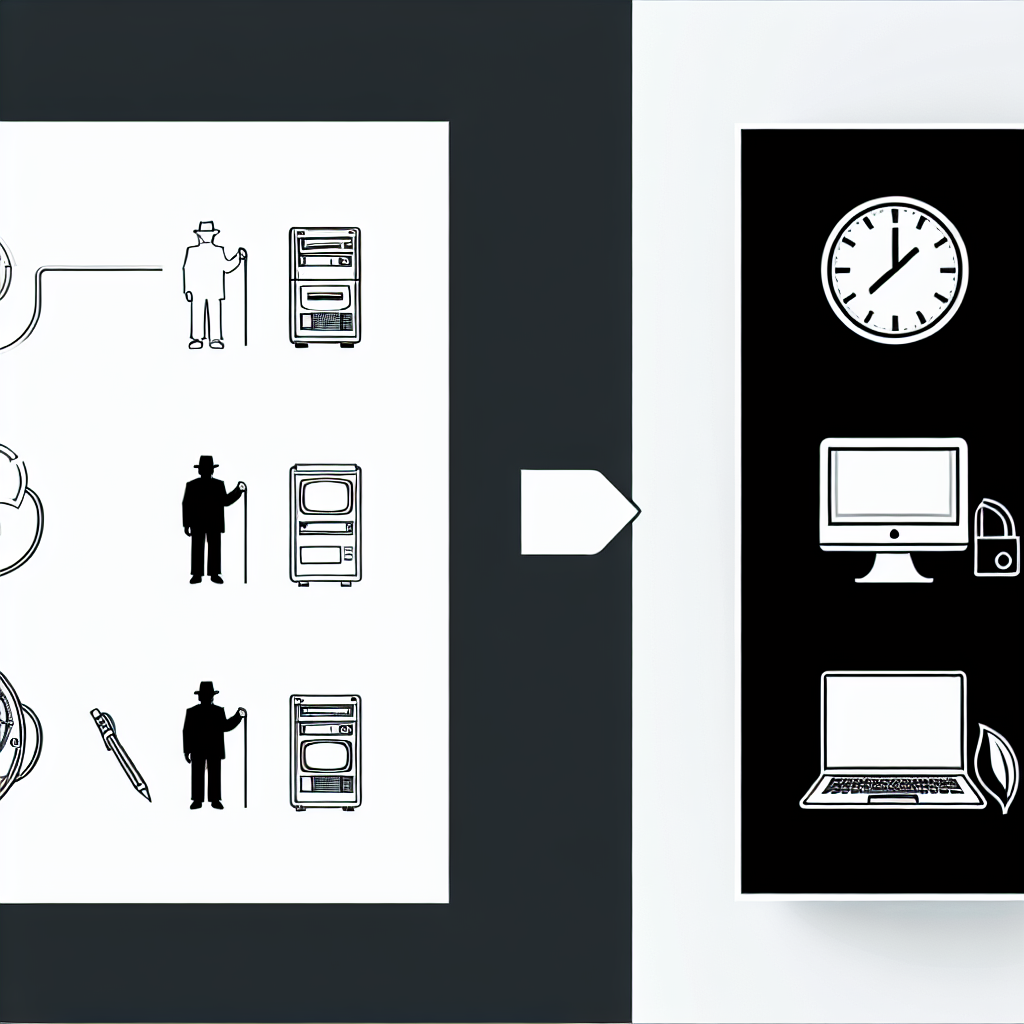
In an era where technology evolves rapidly, organizations face the challenge of keeping their systems and software up to date. A robust upgrade strategy is essential to ensure that technology investments yield optimal results and align with organizational goals. This guide provides a structured approach to developing an effective upgrade plan, addressing key considerations that organizations must navigate as they strategize their technological advancements.
The need for a systematic upgrade strategy cannot be overstated. Many organizations find themselves grappling with outdated systems, which can lead to inefficiencies and increased risks.
Understanding Organizational Needs
Before embarking on the upgrade journey, it’s crucial to conduct a thorough analysis of your organization’s specific needs. This involves engaging with various stakeholders to gather insights on current system performance, user experiences, and future requirements. By identifying the gaps between existing capabilities and desired functionalities, organizations can create a clear roadmap for upgrades.
It’s important to consider both the immediate and long-term needs of the organization. For instance, short-term upgrades may address urgent operational issues, while long-term planning should focus on scalability and future growth. Evidence suggests that organizations that take the time to assess their unique requirements before implementing upgrades tend to achieve greater satisfaction and usability from their technology investments.
“A successful upgrade strategy is rooted in a deep understanding of organizational needs and future aspirations.”

Assessing Current Infrastructure
Once you have a clear understanding of your needs, the next step involves evaluating the existing infrastructure. This assessment should encompass hardware, software, and network components, identifying any potential limitations that may hinder upgrade efforts. Compatibility issues are a common concern, and organizations should be proactive in addressing these before proceeding with upgrades.
Research indicates that a comprehensive evaluation often uncovers opportunities for optimization that may not have been initially apparent. By identifying underperforming components or systems that no longer align with business processes, organizations can prioritize upgrades that deliver the highest return on investment.
Additionally, it’s wise to consider the lifecycle of the technology in use. Understanding support lifecycles for software and hardware can guide organizations in making informed decisions about upgrades and replacements.
Crafting the Upgrade Plan
With a clear understanding of needs and a thorough assessment of infrastructure, the next step is to craft a detailed upgrade plan. This plan should outline specific objectives, timelines, and resource allocations for the upgrade process. It’s essential to incorporate input from cross-functional teams to ensure all perspectives are considered.
One key aspect of the upgrade plan is risk management. Organizations should identify potential risks associated with the upgrade, such as downtime, data loss, or user resistance. Developing a risk management framework will help mitigate these concerns and prepare the organization for possible challenges that may arise during the upgrade process.
Moreover, establishing measurable success criteria is vital. By defining metrics for evaluating the success of the upgrade, organizations can assess whether the objectives have been met post-implementation. This structured approach not only facilitates accountability but also provides insights that can inform future upgrades.
Implementation and Monitoring
Once the upgrade plan is in place, it’s time to move into the implementation phase. This stage requires careful coordination among teams and stakeholders to ensure a smooth transition. Effective communication is essential, as it helps manage expectations and keeps everyone informed of progress and potential disruptions.
Monitoring the implementation process closely is equally important. Organizations should be prepared to address any unexpected issues that may arise during the upgrade. Regular check-ins and updates can help maintain momentum and ensure that the project stays on track.
Post-implementation, organizations should conduct evaluations based on the success criteria established in the planning phase. Gathering feedback from users and stakeholders can provide valuable insights into the effectiveness of the upgrade and highlight areas for improvement.

Continuous Improvement
An upgrade strategy should not be a one-time effort but rather part of an ongoing process of continuous improvement. Technology is ever-evolving, and organizations must remain adaptable to embrace new advancements. Regularly reviewing and updating the upgrade strategy will help ensure that it remains aligned with changing organizational needs and technological developments.
Organizations can benefit from fostering a culture of innovation, where team members are encouraged to suggest improvements and share insights about emerging technologies. This proactive approach can lead to more informed decision-making and a more agile response to changing market demands.
In conclusion, building a robust upgrade strategy is a multifaceted process that requires careful planning, execution, and ongoing assessment. By understanding organizational needs, assessing current infrastructure, crafting a detailed upgrade plan, and committing to continuous improvement, organizations can effectively navigate the complexities of technology upgrades and achieve their goals.