Evaluating the Impact of Software Lifecycle Changes on Business Operations
Recognizing the effects of software lifecycle changes.
In today’s fast-paced technological environment, software lifecycle changes have become a focal point for businesses striving to maintain operational efficiency. As software evolves through various stages—from conception to deployment, maintenance, and eventual retirement—organizations must adapt to these transitions to mitigate potential disruptions to their operations. Understanding how these changes affect business processes is crucial for effective decision-making and long-term sustainability.
The implications of software lifecycle changes are significant. They can influence everything from resource allocation and project timelines to compliance with regulatory standards. Therefore, businesses must recognize these shifts and develop strategies to manage the impact effectively.
Understanding the Software Lifecycle
The software lifecycle encompasses several stages: planning, development, deployment, maintenance, and retirement. Each stage presents unique challenges and opportunities that can affect business operations. For instance, during the planning phase, organizations must assess their current software portfolio and identify any necessary upgrades or replacements. This evaluation often reveals dependencies on legacy systems that may complicate transitions.
Understanding the software lifecycle is essential for aligning business objectives with IT capabilities.

In the development and deployment stages, teams are tasked with integrating new software solutions into existing infrastructures. This integration can lead to operational disruptions if not managed properly. Organizations must ensure that new software is compatible with their current systems and that staff are adequately trained to use these tools. Failure to address these aspects can result in decreased productivity and increased frustration among employees.
The Impact of Lifecycle Changes on Business Operations
When software transitions from one lifecycle phase to another, the repercussions can ripple across various aspects of the business. For example, the retirement of a critical software application can leave gaps in functionality, necessitating urgent migrations to new systems. This urgency can strain resources and divert attention from other essential projects. Additionally, if the new software does not meet user needs, it can lead to decreased morale and productivity.
The impact assessment of software lifecycle changes should include both quantitative and qualitative measures. Organizations typically analyze productivity metrics and downtime statistics to gauge the immediate effects of software transitions. However, qualitative factors, such as employee satisfaction and user experience, are equally important. These elements can provide insights into the broader implications of software changes on organizational culture and operational effectiveness.
Strategies for Adaptation
To navigate the complexities of software lifecycle changes, businesses can adopt several proactive strategies. One effective approach is to establish a comprehensive change management framework that outlines processes for evaluating and implementing software updates. This framework should include stakeholder engagement, risk assessment, and communication plans to ensure that all parties are informed and prepared for transitions.

Training and support are also critical components of successful adaptation. Organizations should invest in continuous education for employees, particularly when introducing new software tools. By prioritizing user training, businesses can enhance the overall adoption rates of new technologies and minimize resistance to change.
Furthermore, businesses can benefit from maintaining a flexible IT infrastructure that allows for easy integration of new software solutions. This adaptability can reduce the time and resources required for transitions, ultimately benefiting the organization’s bottom line.
Monitoring and Evaluating Changes
Ongoing monitoring of software performance and user feedback is essential to fully understand the impact of lifecycle changes. Establishing metrics to assess software efficacy can help organizations identify issues early and address them promptly. Regular evaluations ensure that the software continues to meet business needs as operations evolve.
Incorporating user feedback into this evaluation process can foster a culture of continuous improvement. When employees feel their input is valued, they are more likely to embrace changes and contribute to the overall success of software implementations.
Continuous evaluation and user engagement can significantly enhance the effectiveness of software lifecycle changes.
Future Considerations
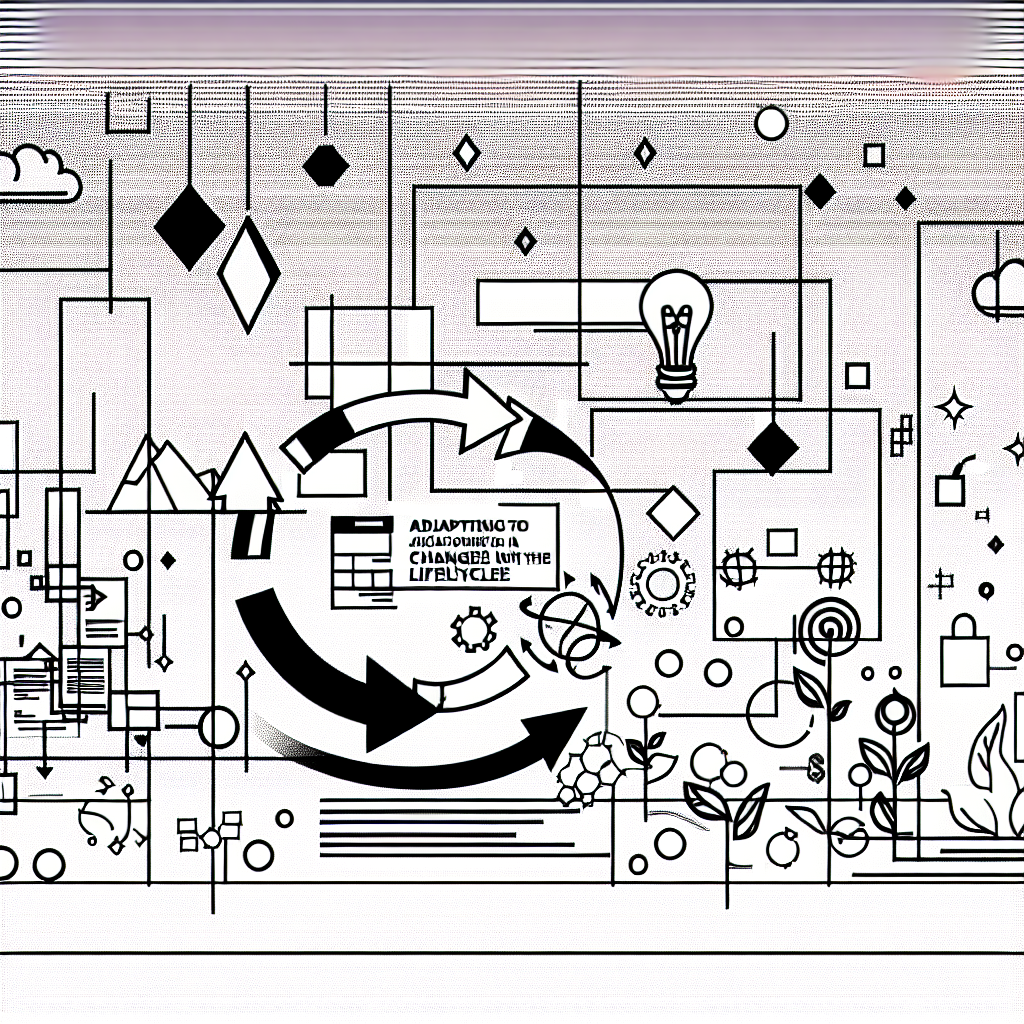
As technology continues to advance, the pace of software lifecycle changes is expected to accelerate. Organizations must stay informed about emerging trends and best practices in software management. This proactive approach not only helps in adapting to changes but also positions businesses to capitalize on new opportunities that arise from technological advancements.
Investing in tools and resources that support agile methodologies can also enhance an organization’s ability to respond to software lifecycle changes swiftly. Agile practices prioritize flexibility and iterative development, allowing businesses to adapt to changes more efficiently.
In summary, recognizing and managing the impacts of software lifecycle changes is crucial for maintaining operational effectiveness. By implementing structured strategies and fostering a culture of adaptability, organizations can navigate these transitions and emerge stronger in an ever-evolving technological landscape.