Understanding Hardware Support Lifecycle Changes
Implications of hardware support changes.
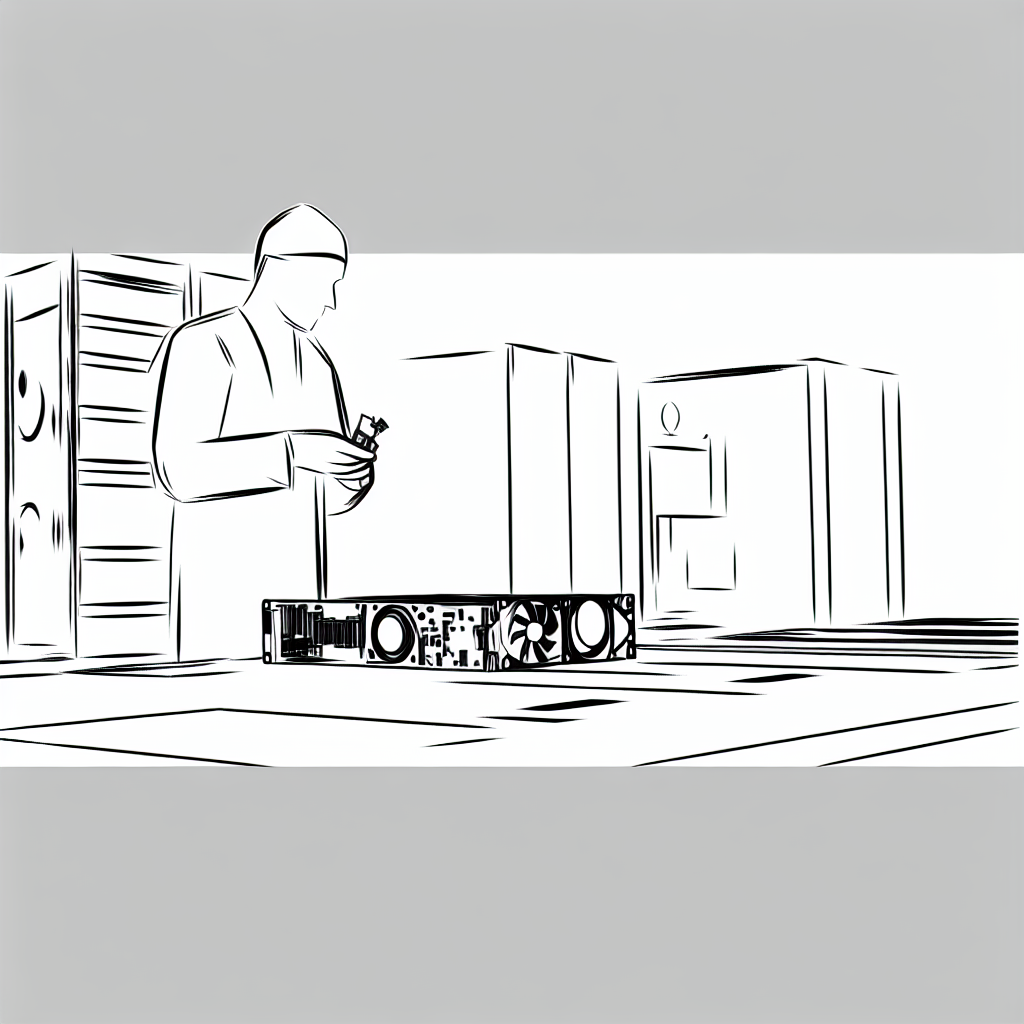
The realm of hardware support lifecycle changes has become increasingly important as organizations navigate the complexities of technology management. When hardware reaches its end of life (EOL), the implications can be far-reaching, affecting not only the operational efficiency of an organization but also its financial health and security posture. Understanding these changes is crucial for making informed decisions about hardware investments, planning upgrades, and ensuring continuity in business operations.
As organizations strive to stay competitive, they must be proactive in addressing the dynamics of hardware support lifecycles.
The Importance of Hardware Support Lifecycles
Hardware support lifecycles dictate the period during which manufacturers provide maintenance, updates, and troubleshooting assistance for their products. These lifecycles typically include several phases: introduction, maturity, and eventual decline, leading to end-of-life announcements. Organizations that fail to monitor these phases risk operating on out-of-date hardware, which can lead to vulnerabilities, compatibility issues, and increased costs.
In particular, research indicates that many organizations overlook the importance of tracking hardware lifecycles, resulting in unexpected failures and unplanned expenses. The EOL phase is particularly critical; once hardware reaches this stage, the manufacturer typically ceases support, which can leave organizations exposed to risks such as security breaches and compliance failures.
“Understanding the hardware support lifecycle is not just about staying current; it’s about safeguarding the organization’s future.”
Organizations that proactively manage their hardware lifecycles can avoid these pitfalls. By establishing a framework for tracking hardware support timelines, businesses can better prepare for upgrades and replacements, ensuring that they maintain operational integrity and efficiency.
Implications of Failing to Adapt
The consequences of neglecting hardware support lifecycle changes can be dire. For instance, organizations may face significant downtime as they scramble to replace obsolete hardware. This not only disrupts daily operations but can also lead to lost revenue. Additionally, the longer an organization relies on unsupported hardware, the greater the risk of cyber threats, as outdated systems often lack the necessary security updates.
Moreover, regulatory compliance can be jeopardized. Many industries are governed by strict standards that require organizations to maintain up-to-date technology. Failing to comply can result in legal repercussions, financial penalties, and damage to an organization’s reputation. The implications extend beyond immediate operational concerns, affecting long-term strategic goals and planning.
In light of these risks, it is essential for organizations to develop a comprehensive strategy for managing hardware lifecycles. This strategy should include regular assessments of existing hardware, planning for scheduled upgrades, and allocating resources to ensure that all technology aligns with organizational objectives.
Strategic Planning for Hardware Upgrades
To effectively navigate hardware lifecycle changes, organizations should establish a strategic planning framework that incorporates both short-term and long-term goals. This framework should not only address current hardware needs but also anticipate future requirements as technology evolves. A well-structured upgrade plan can help organizations minimize disruptions and maintain continuity.
One key aspect of this strategic planning is conducting a thorough inventory of existing hardware assets. By assessing the age, performance, and support status of each piece of equipment, organizations can make informed decisions about which hardware should be prioritized for upgrades or replacements. This proactive approach can significantly reduce the risk of unexpected failures and associated costs.
Furthermore, organizations should engage in regular training for their IT staff to ensure they are well-equipped to manage hardware lifecycle changes. Keeping personnel informed about the latest technologies and trends will enable them to implement effective solutions that align with organizational needs.
Leveraging Vendor Relationships
Establishing strong relationships with hardware vendors can also play a crucial role in managing support lifecycles. Vendors can provide valuable insights into upcoming changes in support policies, product enhancements, and potential challenges. By maintaining open lines of communication, organizations can gain access to vital information that can inform their technology strategies.
Additionally, many vendors offer support and resources that can assist organizations in navigating hardware lifecycle changes. This includes tools for inventory management, assessments, and even training programs that can help organizations better understand their options. By leveraging these resources, organizations can enhance their operational resilience and adaptability in the face of technological shifts.

“A proactive relationship with vendors can be a game changer in managing hardware support lifecycles.”
Conclusion: A Call to Action
In conclusion, understanding and adapting to hardware support lifecycle changes is imperative for organizations aiming to maintain a competitive edge. The implications of neglecting this aspect of technology management can be severe, impacting everything from operational continuity to regulatory compliance. Organizations must take a proactive stance, developing strategic plans that prioritize hardware assessment, upgrade planning, and vendor engagement to ensure they remain ahead of the curve.
By embracing these practices, organizations can not only safeguard their current operations but also position themselves for future success as technology continues to evolve.