Evaluating Emerging Technologies for Legacy Systems
Guidelines for assessing new technologies to replace outdated systems.
In an era where technology evolves at an unprecedented pace, organizations frequently find themselves grappling with the pressing need to replace legacy systems. These outdated infrastructures, while once cutting-edge, often become a bottleneck for innovation and efficiency. Evaluating emerging technologies as potential replacements requires a structured approach, ensuring that the transition minimizes disruption while maximizing the benefits of a modernized system. This article outlines essential guidelines for assessing new technologies, highlighting key considerations that can lead to informed decision-making during this critical process.
The stakes are high when it comes to transitioning from legacy systems.
Understanding Legacy Systems
Legacy systems refer to outdated computing systems, software applications, or hardware that, although still in use, may pose challenges regarding compatibility, security, and performance. These systems often rely on outdated technology or programming languages, making them difficult to maintain or integrate with newer systems. As organizations strive to enhance their operational capabilities, they must recognize when these systems transition from being assets to liabilities.
The impact of legacy systems extends beyond mere functionality. Organizations using outdated technology may face increased operational costs, reduced agility, and heightened security risks. As such, the decision to replace or upgrade these systems is not merely a technical challenge but a strategic imperative.

“Transitioning from legacy systems is more than just a technical upgrade; it’s about aligning technology with organizational goals.”
Criteria for Evaluating Emerging Technologies
When assessing emerging technologies as replacements for legacy systems, several key criteria should be considered. First and foremost is the technology’s alignment with current and future business needs. This involves a thorough analysis of how the new technology will integrate with existing workflows and whether it can scale as the organization grows.
Another critical element is the technology’s cost-effectiveness. While initial investments may be significant, organizations must evaluate the long-term savings associated with improved efficiency, reduced maintenance costs, and enhanced productivity. Additionally, understanding the total cost of ownership, including licensing, support, and operational expenses, is vital.
Security is also a paramount concern. Emerging technologies should adhere to contemporary security standards and protocols, offering robust protection against potential vulnerabilities. Organizations should investigate the security features of the new technology, including encryption, access controls, and compliance with regulations.
Stakeholder Involvement in the Evaluation Process

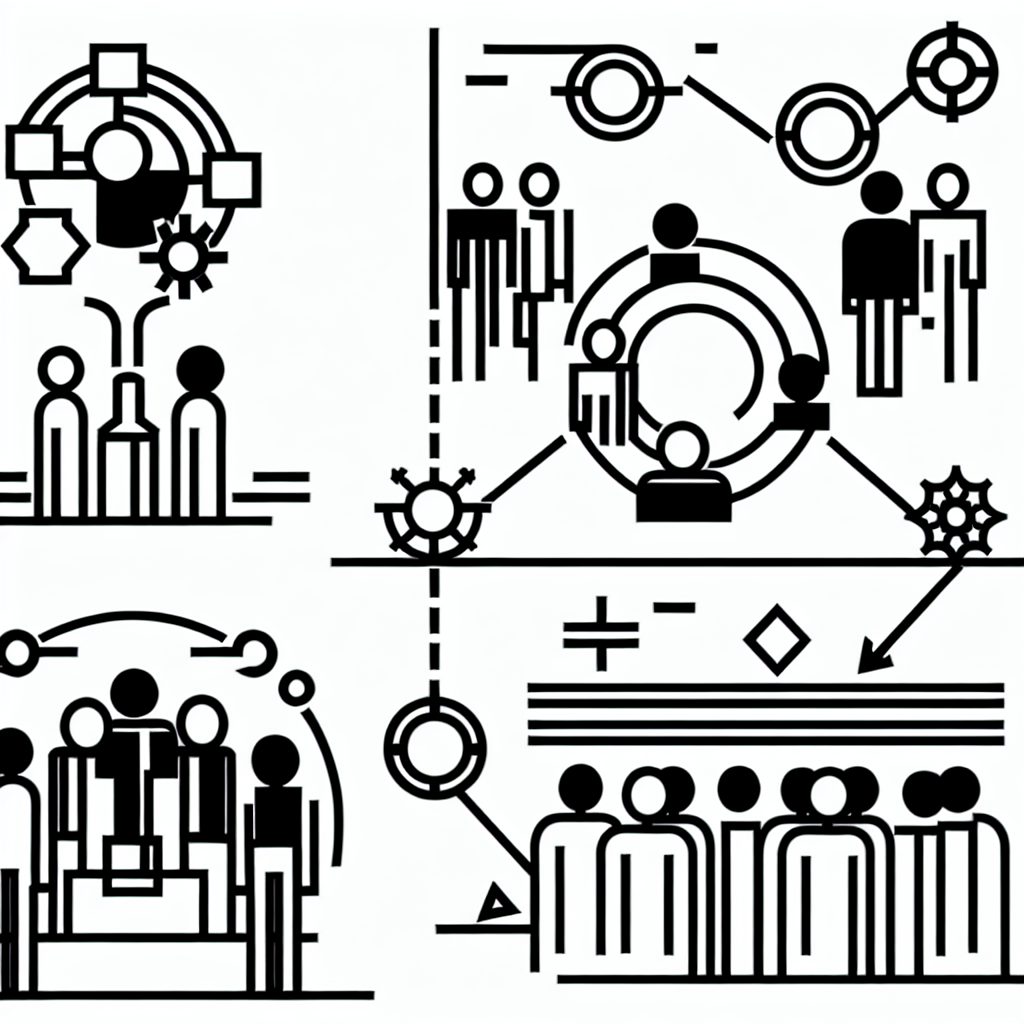
Involving stakeholders from various departments is essential when evaluating new technologies. This collaborative approach ensures that the perspectives of those who will be directly impacted by the change are considered. Engaging IT professionals, department heads, and end-users can provide valuable insights into the practical implications of adopting a new system.
Moreover, conducting pilot programs or trials can be beneficial. Testing the technology in a limited capacity allows organizations to gather firsthand experience and feedback, which can inform the final decision. This iterative process can help mitigate potential challenges and facilitate a smoother transition.
Change Management and Transition Strategies
Transitioning from legacy systems to new technologies is not merely a technology upgrade; it requires effective change management strategies. Organizations should develop a comprehensive plan that addresses potential resistance to change, outlines training requirements, and sets clear expectations for all stakeholders.
Training is particularly crucial, as users must become proficient in the new system to ensure a successful implementation. Providing ongoing support during and after the transition can further enhance user adoption and minimize disruptions to business operations.
Additionally, it is advisable to set realistic timelines for the transition. Rushing the process can lead to confusion and operational setbacks, while an overly extended timeline may result in lost momentum and stakeholder engagement.
Measuring Success Post-Implementation
Once the new technology has been implemented, measuring its success becomes essential. Organizations should establish clear metrics to assess the effectiveness of the transition. Key performance indicators (KPIs) might include system uptime, user satisfaction, operational efficiency, and overall return on investment.
Regular reviews of the new system can provide insights into its performance and areas for improvement. By maintaining an ongoing evaluation process, organizations can adapt to changing needs and continue to leverage technology as a strategic asset.