Preparing for Software Deprecation
Strategies to prepare for and manage software deprecation.
As technology evolves, software deprecation becomes an inevitable reality that organizations must navigate. Software deprecation refers to the process by which a software product is gradually phased out, often leading to the eventual discontinuation of support and updates. This transition can pose significant challenges for businesses that rely on specific software solutions to operate efficiently. Understanding how to prepare for software deprecation is crucial to ensure continuity and minimize disruption to operations. This article explores effective strategies that organizations can implement to manage software deprecation smoothly.
Software deprecation is not merely a technical issue; it encompasses broader implications for organizational processes, finances, and overall productivity. As software becomes outdated, it may expose organizations to security vulnerabilities, compatibility issues, and increased maintenance costs. Therefore, proactively managing the transition is essential to mitigate these risks and embrace new technologies that can enhance business operations.
Understanding Software Deprecation
Software deprecation typically unfolds in stages, beginning with the announcement of an impending end-of-life (EOL) date by the vendor. This announcement serves as a crucial signal for organizations to initiate their deprecation management strategies. Commonly, vendors provide a timeline that includes key milestones such as the final support date, the last available update, and the complete discontinuation of the software. Recognizing these dates allows organizations to plan their transition effectively.
Furthermore, the implications of software deprecation extend beyond the software itself. Organizations often face challenges related to data integrity, user training, and system integration. Each of these factors plays a vital role in how smoothly the transition to new software occurs. For instance, if the new solution does not seamlessly integrate with existing systems, it can lead to operational disruptions and increased costs. Thus, an in-depth understanding of these aspects is vital for a successful transition.
“Proactive management of software deprecation ensures that businesses can adapt to new technologies without significant disruption.”
The overall strategy for managing software deprecation should be comprehensive and well-structured. Organizations are encouraged to conduct a thorough assessment of their current software landscape, identifying critical applications and understanding their dependencies. This insight allows businesses to prioritize which software to address first and to allocate resources effectively for transitions.
Developing a Transition Strategy
Creating a well-defined transition strategy is paramount as organizations prepare for software deprecation. This strategy should involve multiple steps, beginning with a detailed inventory of the software currently in use. By cataloging all applications, organizations can identify which ones are approaching deprecation and assess their significance to business operations. This inventory serves as the foundation for informed decision-making regarding software replacements or upgrades.
Once the inventory is established, organizations should evaluate alternatives to the deprecated software. This evaluation involves considering various factors, including functionality, compatibility with existing systems, user experience, and vendor support. Research indicates that organizations often overlook the importance of user feedback during this phase; however, engaging end-users can provide invaluable insights that inform the selection of a suitable replacement.
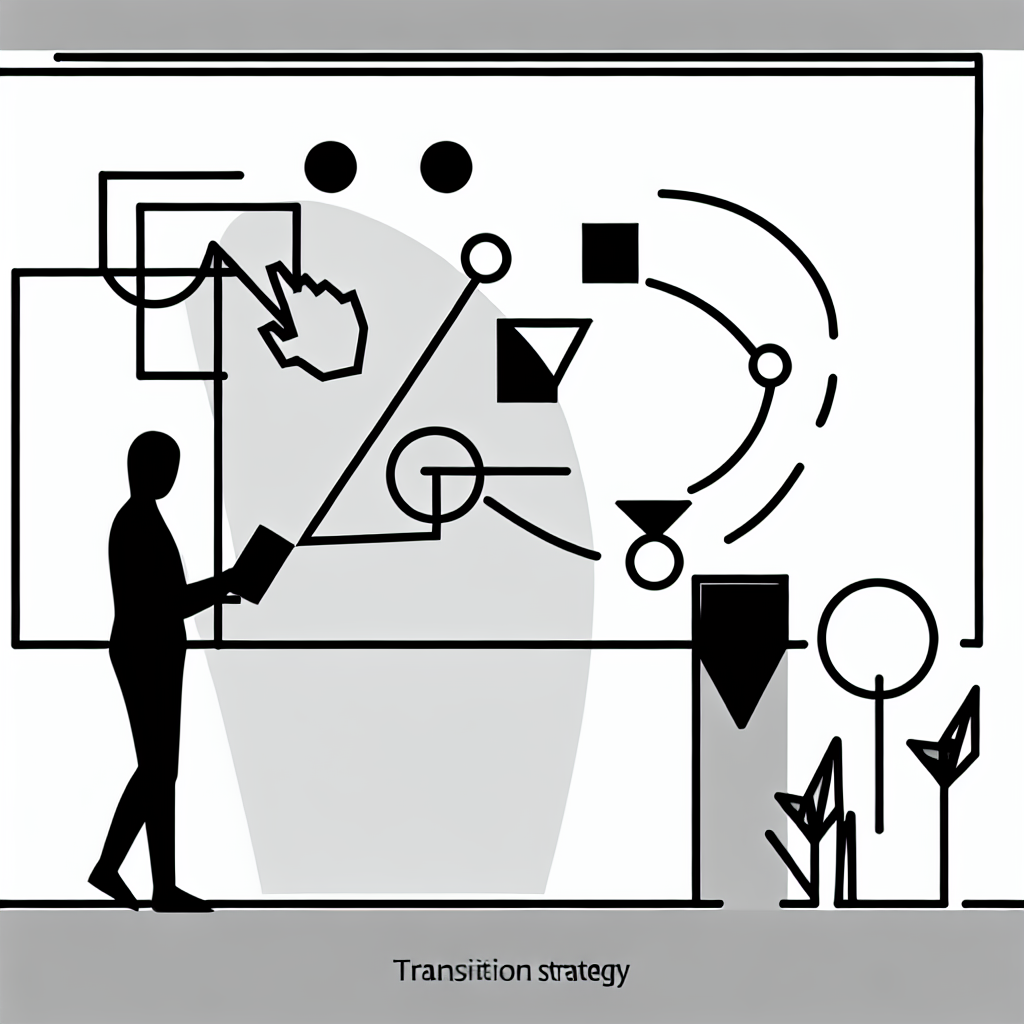
In addition to assessing alternatives, organizations need to develop a timeline for the transition. This timeline should incorporate all aspects of the transition, including training for users, data migration, and testing of the new software. A well-structured timeline allows stakeholders to understand their responsibilities and ensures that critical deadlines are met, reducing the risk of operational disruptions.
Communication and Change Management
Effective communication plays a crucial role in managing software deprecation. Organizations should communicate openly with all stakeholders, including employees, IT teams, and management. Regular updates about the deprecation process, timelines for transition, and expectations for the new software can align everyone involved and reduce uncertainty.
Change management is equally important during this transition phase. Implementing new software often comes with a learning curve, and users may experience resistance to change. Organizations can address this through comprehensive training programs designed to familiarize users with the new software’s features and functionalities. Providing ongoing support, such as a help desk or resource guides, can further ease the transition and enhance user confidence.
Moreover, organizations should actively seek feedback from users during and after the transition. This feedback can provide critical insights into any challenges faced and help identify areas for improvement. By fostering an environment of open communication and support, businesses can enhance user adoption and satisfaction with the new software.
Post-Transition Evaluation
Once the transition is complete, organizations should conduct a thorough evaluation of the new software’s performance and its impact on operations. This evaluation should involve assessing whether the new solution meets the organization’s needs, whether users are comfortable and proficient in using it, and whether any unforeseen issues have arisen.
Conducting regular reviews can help identify areas for further improvement and ensure that the organization is leveraging the new software to its fullest potential. Additionally, organizations can use these evaluations to refine their transition strategies for future software deprecations, leading to continuous improvement in their processes.
In conclusion, preparing for software deprecation requires careful planning, communication, and evaluation. By understanding the stages of deprecation, developing a comprehensive transition strategy, engaging in effective communication, and conducting post-transition evaluations, organizations can navigate software deprecation with minimal disruption and position themselves for future technological advancements.